From Fidgeting to Focus: How Movement Helps Children Learn
- Youth OT
- Mar 3
- 3 min read
If your child has been described as “unable to sit still,” you’re not alone. For many school-aged children, movement is not a distraction from learning. It is the key to focus.
At Youth OT, we often see children who fidget, rock, lean, or leave their seat because their body needs movement to stay regulated and attentive.
Why Movement Improves Attention
The brain and body work together. Movement provides sensory input that supports:
Alertness
Emotional regulation
Postural control
Attention and task completion
When a child’s body feels organised, their brain is better able to listen, learn, and manage frustration. For some children, especially those with sensory processing differences, sitting still for long periods can actually make focusing harder.
Regulated bodies support regulated minds.
Proprioceptive and Vestibular Input Explained
Two key sensory systems help children stay focused.
Proprioceptive input (body awareness) comes from pushing, pulling, carrying, squeezing, or jumping. It is often calming and grounding. Children who lean on desks, press hard with pencils, or crash into cushions may be seeking this input.
Vestibular input (movement and balance) comes from activities like swinging, rocking, spinning, or jumping. It helps regulate alertness levels. Some children seek constant movement to stay alert, while others need slower, controlled movement to feel calm.
When these systems are not regulated, children may appear fidgety, distracted, or restless.
Simple Classroom Movement Strategies
Movement can be practical and subtle. Helpful strategies include:
Wall or chair push-ups
Carrying books
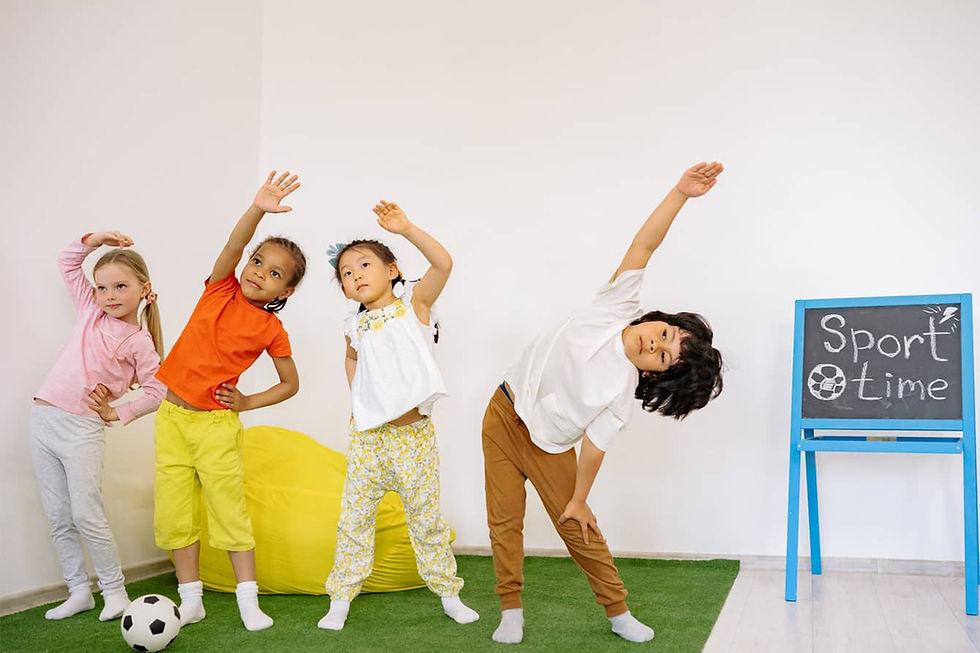
Stretch breaks between tasks
Resistance bands on chair legs
Standing for part of a lesson
Short, structured movement breaks
Even a few minutes of purposeful movement can reset attention.
How Youth OT Uses Movement Intentionally
At Youth OT, movement is carefully chosen based on each child’s needs. We assess sensory processing, identify regulation patterns, and develop personalised strategies that work at school and home.
We also help children understand their own bodies so they can recognise when they need movement and use it appropriately.
Movement is not the enemy of learning. For many children, it is the tool that makes learning possible.
If your child struggles with attention or classroom participation, Youth OT can help provide practical, school-friendly strategies that support success.
Here are 3 practical tips parents can use at home to support movement and improve focus:
1️⃣ Start Homework with Heavy Work
Before sitting down for homework, try 5 to 10 minutes of “heavy work” activities. These provide calming proprioceptive input and help organise the body for focus.
Ideas include:
Wall push-ups
Carrying groceries inside
Animal walks (bear walk, crab walk)
Helping move laundry baskets
Tug-of-war
This can help your child feel more regulated and ready to sit and concentrate.
2️⃣ Build Movement Into Study Time
Instead of expecting long periods of sitting, schedule short movement breaks every 15 to 20 minutes.
Try:
10 star jumps
A quick stretch routine
A lap around the yard
Chair push-ups
Standing to complete part of the task
Short, structured breaks often improve productivity more than pushing through restlessness.
3️⃣ Create a Flexible Seating Option
Some children focus better when their body can move safely while working. Consider:
A wobble cushion
Sitting on the floor with a clipboard
Working at the kitchen bench while standing
Using a resistance band around chair legs
Small adjustments can reduce fidgeting and improve attention without turning homework into a battle.
Movement is not about letting children “burn energy.” It is about helping their nervous system feel organised and ready to learn. When we meet the body’s needs first, focus often follows.


Comments